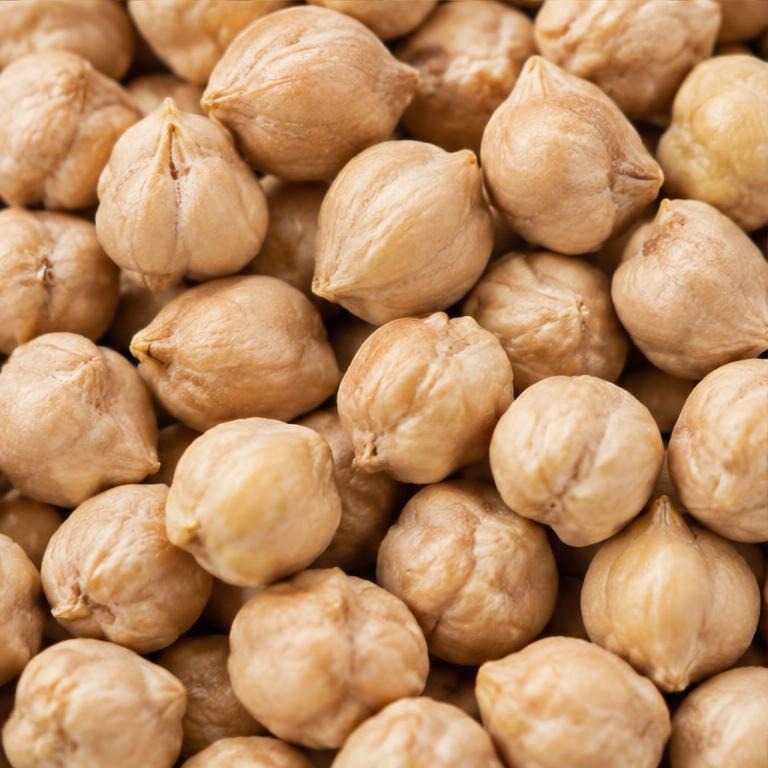
Chickpea size changes the commercial offer
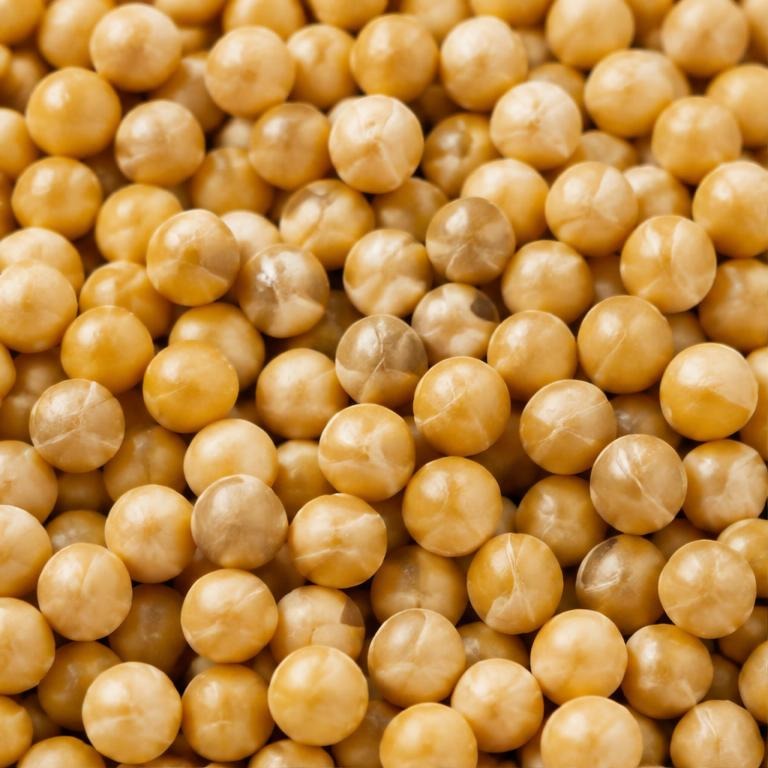
Chickpeas for canning, roasting, flour and wholesale resale may require different size ranges and appearance. A buyer should state whether the product is whole, cleaned, calibrated or destined for further processing. An offer described only as chickpeas can conceal material differences in size distribution, splits and total usable yield.
Specify the inspection and acceptance basis
State the desired size grading method, tolerance for broken or damaged kernels, moisture, foreign material, sampling procedure and any safety tests required for your country. A representative sample may support evaluation, but should not substitute for a lot-specific inspection at the agreed point of delivery.
Packaging and transportation
Request bagged or containerised loading according to the receiving facility and distribution model. List net weight per bag, palletisation, container configuration and any special handling needs. Quote comparisons should account for freight, inspection, inland logistics, fees and unloading constraints, not merely ex-warehouse product price.
Request export capacity transparently
Provide the quantity you intend to buy, latest acceptable delivery period, importing entity and whether you are a processor, trader or distributor. We may pass compliant and suitably specified inquiries to exporters; an introduction is not a contractual guarantee or an assertion of available stock.
Frequently asked questions
Technical and commercial answers below are general sourcing guidance. Actual contracts and current destination rules prevail.
What chickpea calibre is available?
Request the specific size range. The supplier must confirm grading and lot measurements.
Can I receive samples?
Sample arrangements are evaluated by individual exporters and should be representative of the offered cargo.
Is private-label packing available?
Some businesses may request it, but no supplier capability is assumed until verified.