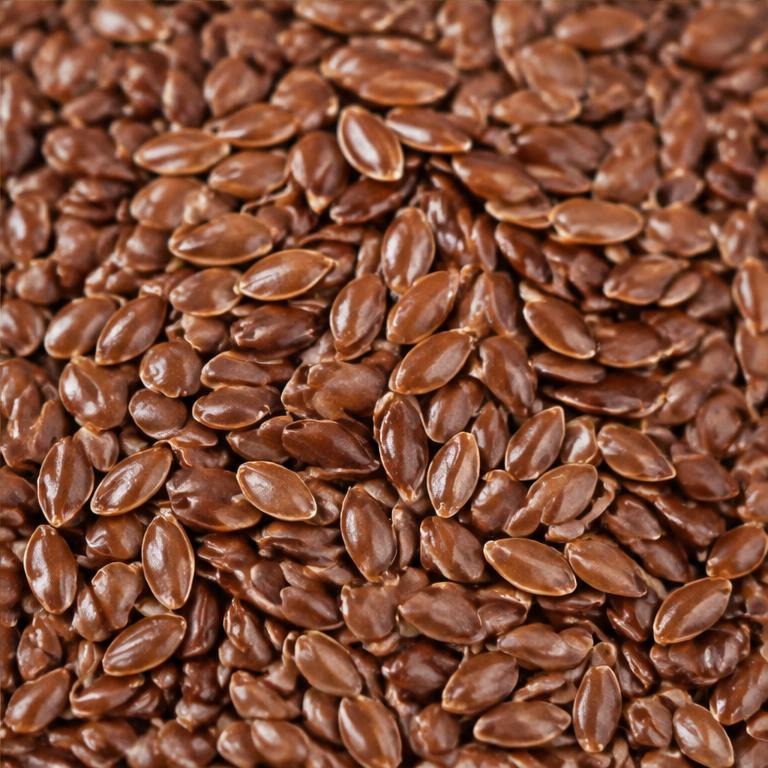
Flaxseed is an oilseed, not a pulse
The sourcing service also receives flaxseed inquiries because some agricultural exporters trade both pulses and oilseeds. However, the two product families must remain technically separate. Oil-grade and food-grade flaxseed buyers may focus on distinct quality parameters, processing methods and tolerances. Our product taxonomy reflects those differences rather than presenting flaxseed as a lentil or pea.
Translate end use into measurable requirements
Describe whether the material is intended for pressing, food ingredient manufacturing or further industrial processing. Buyers may require information about moisture, admixture, seed condition, oil-content testing or other analytical measurements. Agree which measurements will be contractually binding; do not accept a generic quality statement in place of a certificate and sampling method.
Check shipment and import restrictions
Seeds may face different phytosanitary, registration and residue requirements from processed ingredients. Confirm the applicable import pathway for the exact destination with its competent authority and the exporter before paying any deposit. The site does not provide customs clearance or legal advice.
Request comparable exporter quotations
Specify intended application, shipment quantity, packing, destination and timing. If you have a target specification sheet, include it. We evaluate whether an appropriate exporter introduction is possible; final terms and documentation remain between buyer and supplier.
Frequently asked questions
Technical and commercial answers below are general sourcing guidance. Actual contracts and current destination rules prevail.
Is flaxseed the same commodity as lentils?
No. Flaxseed is an oilseed with different processing and quality requirements.
Can I request oil-grade flaxseed?
Yes. Specify extraction use and test requirements in your inquiry.
Can you guarantee oil content?
No. Relevant test methods and actual lot results must be agreed with the supplier.